Leather: The Simple, Beautiful Lifecycle of Real Leather
April 04, 2026
4 mins read
Leather is more than just a material it is a natural, sustainable solution rooted in centuries of craftsmanship and circular design. In today’s world of synthetic alternatives, understanding the lifecycle of leather reveals why it remains a preferred choice for global manufacturers, designers, and conscious buyers.
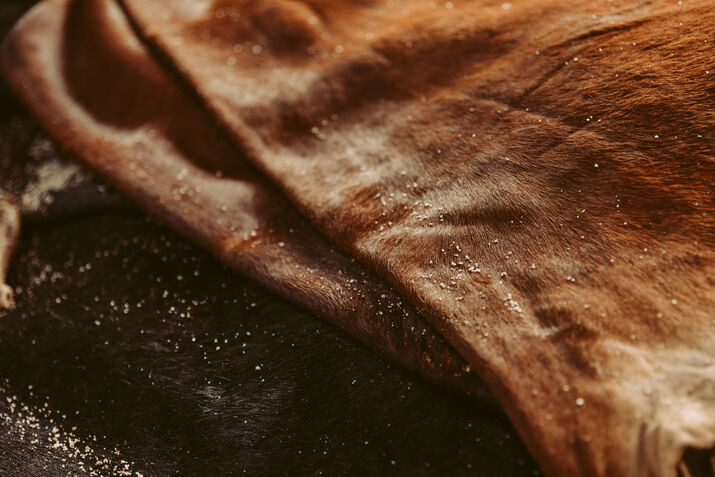
Table of contents
- ▶︎1.Natural Origins: Where Leather Begins
- 1.1 Nature as the Foundation
- 1.2 Supporting the Global Food Chain
- 1.3 Waste Reduction Through Utilization
- 1.4 A Naturally Circular System
- ▶︎2.Transformation: From Hide to High-Quality Leather
- 2.1 Skilled Tanning Processes
- 2.2 Craftsmanship & Innovation
- 2.3 Durability That Defines Value
- 2.4 Aesthetic Evolution Over Time
- ▶︎3.Usage Phase: Longevity and Sustainability
- 3.1 Long Product Lifespan
- 3.2 Repair, Reuse, and Heritage Value
- 3.3 Lower Environmental Impact
- 3.4 Ideal for Premium Global Markets
- ▶︎4.End of Life: Returning to Nature
- 4.1 Biodegradability of Leather
- 4.2 Closing the Sustainability Loop
- 4.3 Contrast with Synthetic Materials
- 4.4 A Proven, Timeless System
- ▶︎5.Summary
1.1 Nature as the Foundation
Leather starts with nature. Cattle are raised on grass, grain, and water—resources continuously replenished through natural ecosystems.
1.2 Supporting the Global Food Chain
Cattle primarily exist for food production, supplying protein to billions. The hide used for leather is a secondary output, making it a sustainable by-product.
1.3 Waste Reduction Through Utilization
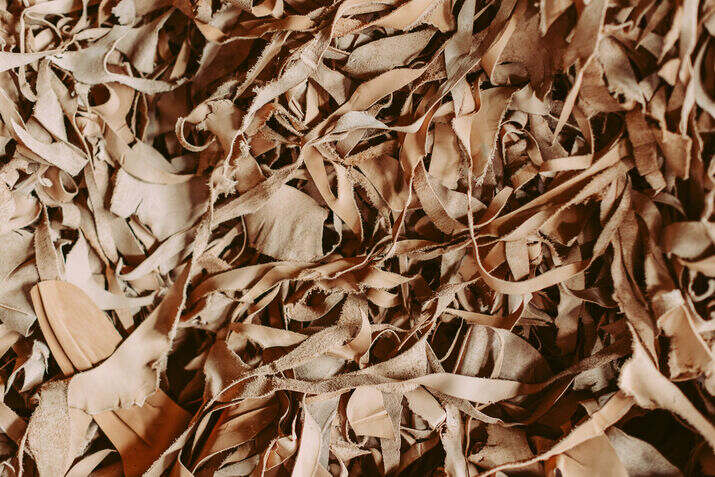
Instead of being discarded, hides are repurposed into leather, reducing environmental waste and maximizing resource efficiency.
1.4 Naturally Circular System
This process reflects a closed-loop system where nothing is wasted aligning perfectly with modern sustainability goals.
>>> For more information on leather goods Click here.
2.1 Skilled Tanning Processes
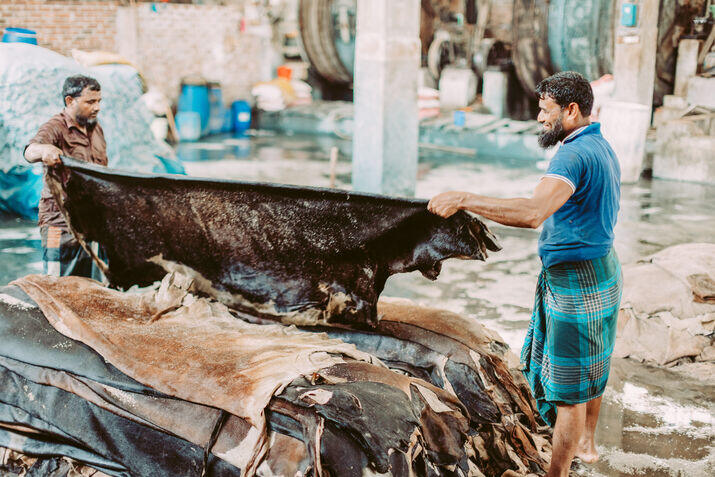
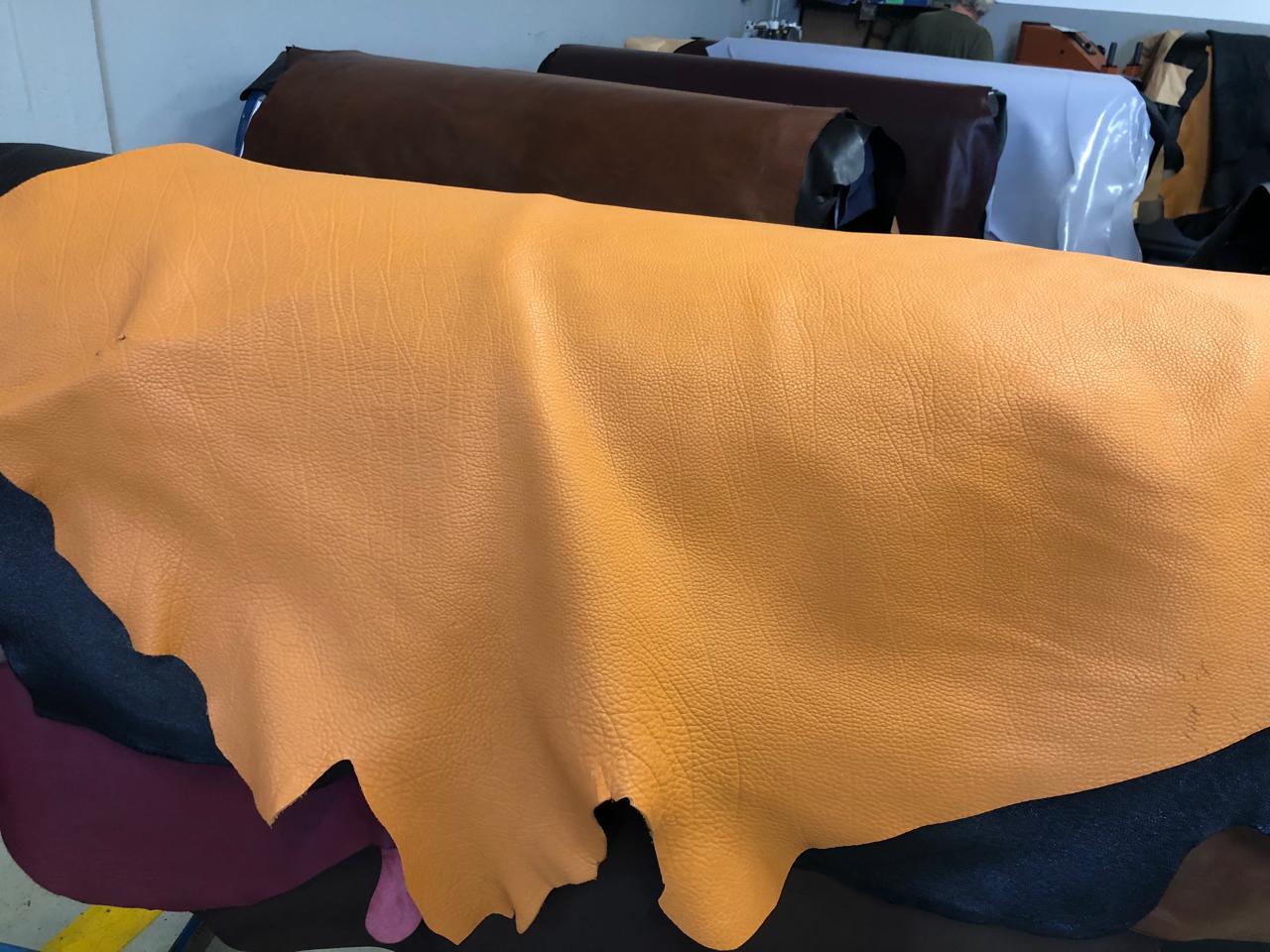
Through advanced tanning techniques, raw hides are transformed into durable leather, ready for manufacturing premium goods.
2.2 Craftsmanship & Innovation
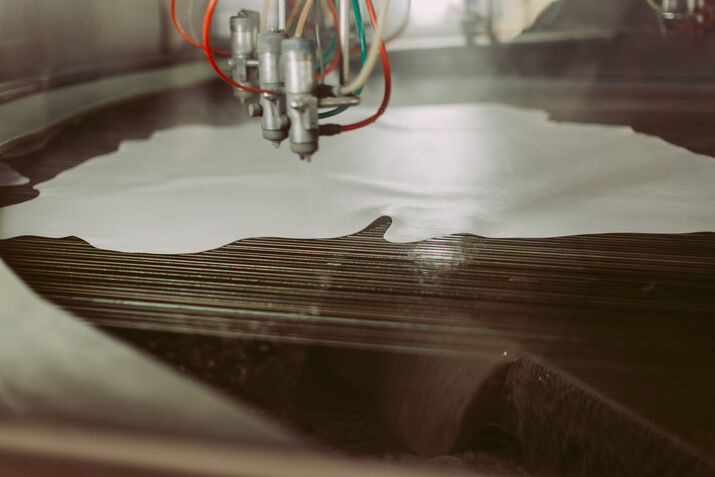
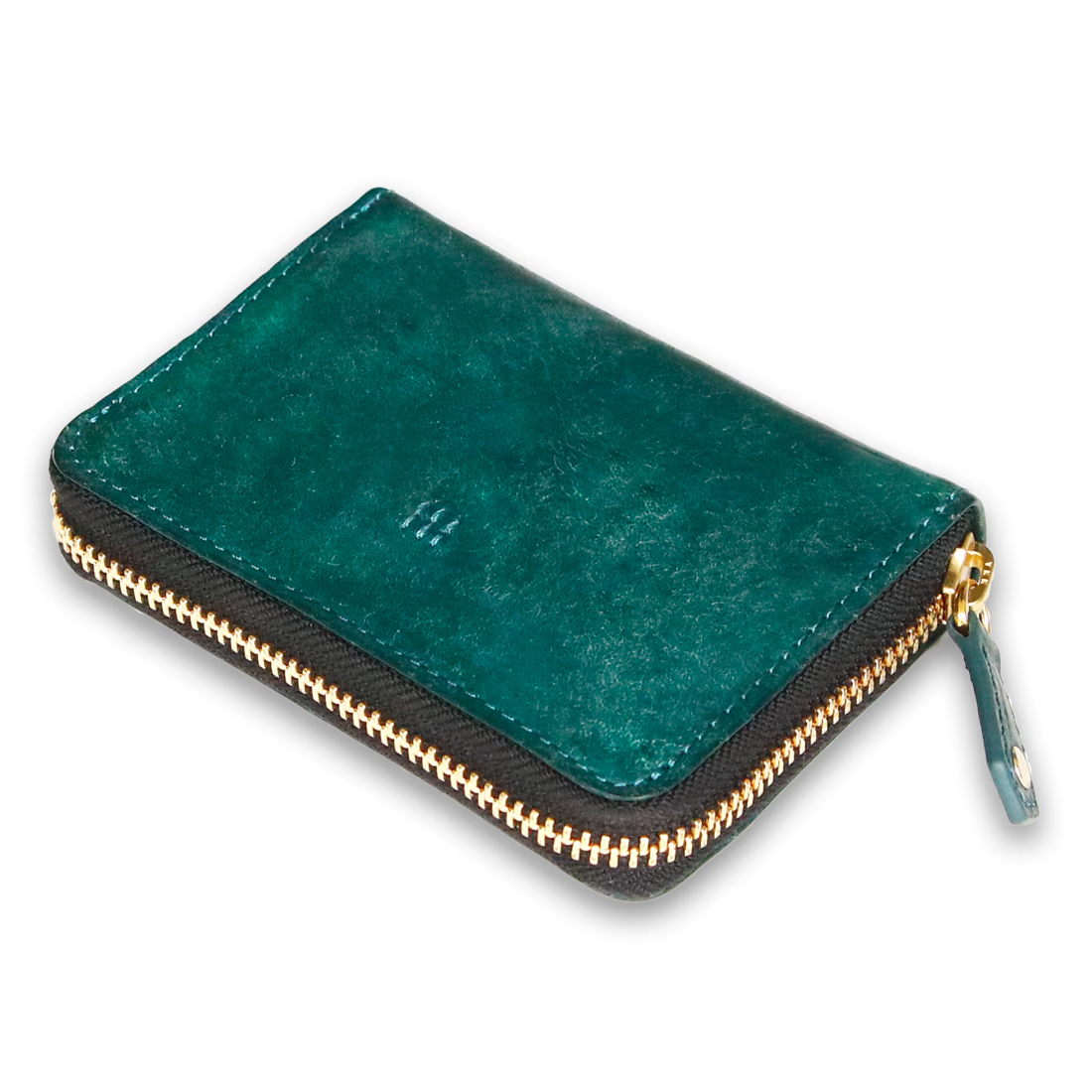
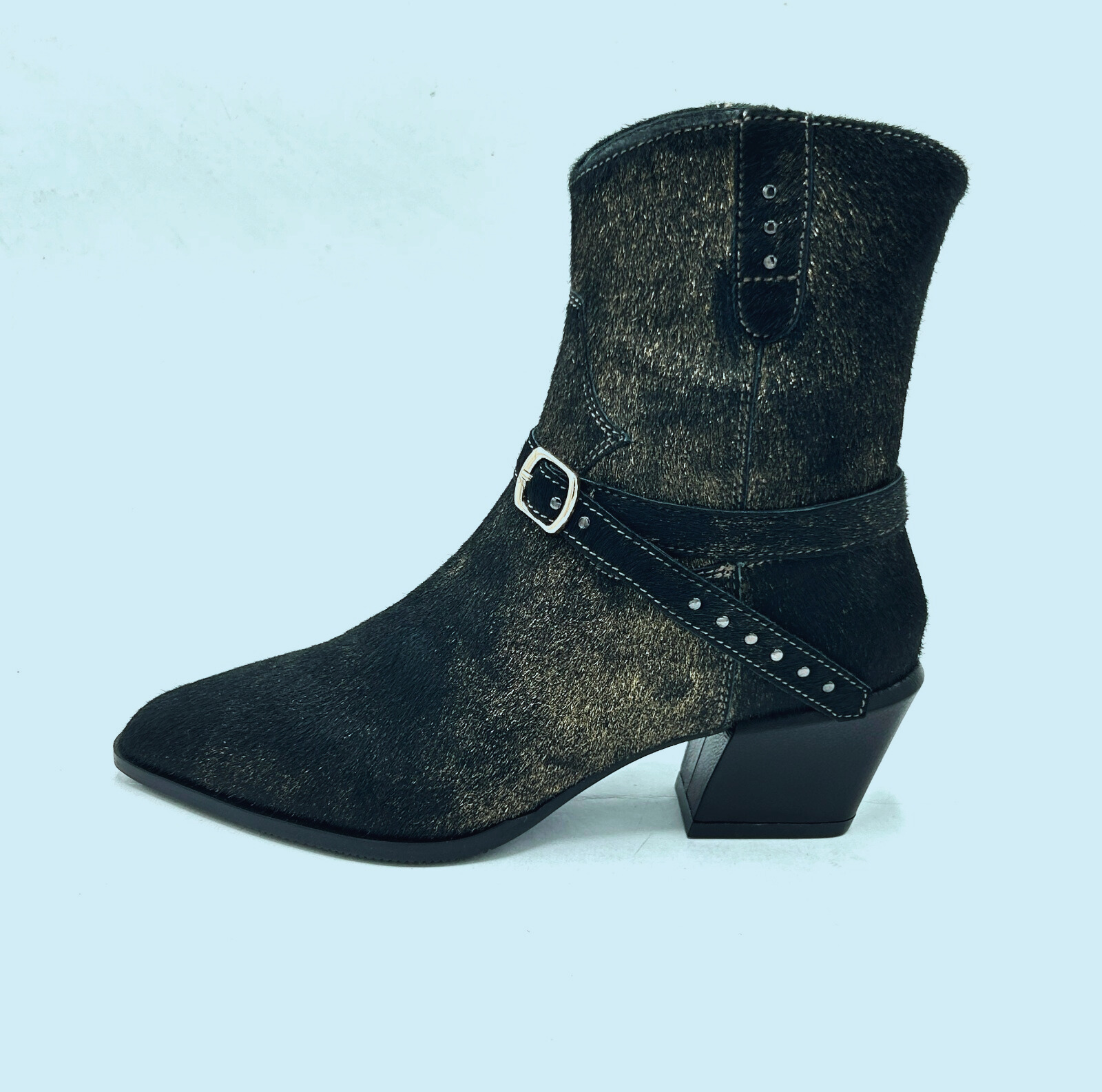
Expert artisans and modern factories combine tradition with innovation to produce high-end leather goods such as bags, footwear, and accessories.
2.3 Durability That Defines Value
Unlike synthetic materials, leather is known for its strength and longevity, making it ideal for long-term use.
2.4 Aesthetic Evolution Over Time
Leather develops a unique patina, enhancing its beauty with age—something artificial materials cannot replicate.
3.1 Long Product Lifespan
High-quality leather products can last for decades, significantly reducing the need for frequent replacements.
3.2 Repair, Reuse, and Heritage Value
Leather items can be repaired, maintained, and even passed down generations, increasing their lifecycle value.
3.3 Lower Environmental Impact
Because leather products last longer, they contribute to reduced consumption and lower overall resource use.
3.4 Ideal for Premium Global Markets
Buyers worldwide prefer leather for its durability, luxury appeal, and sustainable lifecycle—making it a top choice in OEM manufacturing.
4.1 Biodegradability of Leather
Unlike synthetic alternatives, leather is organic and biodegradable, allowing it to break down naturally.
4.2 Closing the Sustainability Loop
At the end of its lifecycle, leather returns to the earth, completing a true circular economy.
4.3 Contrast with Synthetic Materials
Petroleum-based “fake leather” may look similar but lacks the lifecycle benefits—often ending up in landfills for decades.
4.4 A Proven, Timeless System
The lifecycle of leather is not new it is a time-tested, sustainable system that continues to outperform modern alternatives.
>>> For more information on leather footwear Click here.
Leather represents a perfect balance of nature, craftsmanship, and sustainability. From being a by-product of the food industry to transforming into long-lasting goods and eventually returning to the earth, leather follows a truly circular lifecycle.
For manufacturers and global buyers seeking durability, sustainability, and premium quality, leather remains an unmatched material proving that sometimes, the most effective solutions are the ones that have always existed.
BLJ Bangladesh Leather Goods & Footwear Manufacturer We operate our own factory in Bangladesh, committed to using eco-friendly materials and supporting fair trade practices. As a specialized OEM manufacturer of Leather Bags, Wallets, Leather Shoes, Sneakers & more, we are pleased to offer production services starting from a minimum order of just 100 pcs of SLG’s, 100 pcs & pairs for bag’s & footwear’s. >>> Click leather goods page~
Export-Quality Leather Backpacks: From Our Factory in Bangladesh
Backpack Manufacturers for Every Market : From Economy to Elite
Leather Bag Factory Insights: Quality, Price & MOQ
Share:


Voices of Experience


Happiness & D Co., Ltd. President and CEO Atsushi Ta
As a result of our collaboration with BLJ Bangladesh, we feel we have been able to create products that bring smiles to many customers. Their high quality, responsiveness that makes time differences negligible, and proposal capabilities rooted in an understanding of the Japanese market make them a reliable partner we can confidently work with to create products. Moving forward, we aim to continue working together with BLJ Bangladesh
Customer Reviews
Cecile Blancarte Corporation CEO Cecile Blancarte
I feel privileged to have chosen BLJ Bangladesh Ltd. as the trusted manufacturer for Blancarte’s luxury fashion accessories. Their commitment to delivering the finest quality leather, coupled with practical and sincere guidance on leather design, has been invaluable to our brand. Their meticulous craftsmanship and relentless pursuit of perfection align seamlessly with Blancarte’s dedication to excellence. Our discerning customers, who appreciate the distinction between mediocrity and true quality,
Customer Reviews
Business Leather Factory Co., Ltd. Representative Kazunari Taguchi
My name is Kazunari Taguchi, and I am the representative of Business Leather Factory, a renowned Japanese leather brand. Since 2014, we have been sourcing 100 varieties of business leather products, including business bags and wallets, from BLJ Bangladesh. We are highly satisfied with their exceptional product quality and services. Their advanced production techniques, rigorous inspection systems, and meticulous attention to detail consistently meet our high standards. Furthermore,
Customer Reviews
JOGGO Co., Ltd. President and CEO Masayuki Ohta
Our brand, JOGGO, is founded on the philosophy of “connecting a better planet to the next generation.” We place great importance on knowing who, how, and with what materials products are made. We have learned that BLJ Bangladesh is actively addressing poverty issues through social business initiatives, such as promoting employment and improving the environment. BLJ uses only leather left over from food production, operates under the guidance
Customer Reviews
You dream it, we craft it. Let’s make something one-of-a-kind.
Contact us