
The Importance of Fair Trade in Leather Goods Manufacturing
July 07, 2025
5 mins read
As the demand for ethically made products surges, leather goods manufacturing is undergoing a necessary transformation. Fair trade is no longer just a concept it’s a global movement reshaping how leather products are sourced, produced, and consumed. From luxury bags to everyday accessories, the push for fair wages, safe working conditions, and sustainable sourcing has become a key factor in purchasing decisions. This blog explores how fair trade is redefining the leather goods industry and why manufacturers, retailers, and consumers must align with this growing trend.
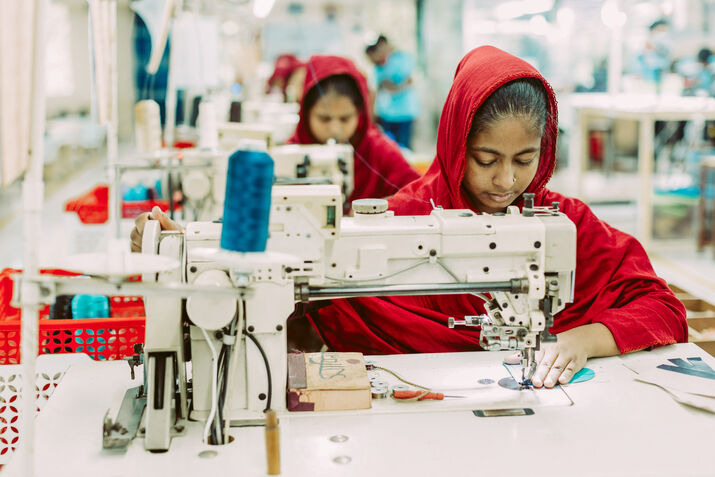
Table of contents
- ▶︎1.Understanding Fair Trade in Leather Goods Manufacturing
- 1.1 What Is Fair Trade?
- 1.2 Why It Matters in Leather Goods
- 1.3 Ethical Sourcing of Leather
- 1.4 Fair Trade Certification for Leather Factories
- ▶︎2. The Business Case for Fair Trade in Leather Goods
- 2.1 Growing Demand for Ethical Fashion
- 2.2 Competitive Advantage for Manufacturers
- 2.3 Enhancing Supply Chain Transparency
- 2.4 Higher Profitability Through Value-Based Pricing
- ▶︎3.Key Trends Shaping Fair Trade in Leather Manufacturing
- 3.1 Sustainable Leather Alternatives
- 3.2 Digital Traceability Tools
- 3.3 Empowering Women and Minority Artisans
- 3.4 Collaboration with Ethical Fashion Brands
- ▶︎4.Implementing Fair Trade in Your Leather Business
- 4.1 Conduct a Supply Chain Audit
- 4.2 Partner with Certified Tanneries
- 4.3 Invest in Worker Well-Being
- 4.4 Communicate Your Fair Trade Story
- ▶︎5.Summary
1.1 What Is Fair Trade?
Fair trade is a global framework promoting ethical treatment of workers, responsible sourcing of raw materials, and environmental sustainability. In leather manufacturing, it ensures that artisans and factory workers are paid fairly, work in safe conditions, and benefit from long-term development opportunities.
1.2 Why It Matters in Leather Goods
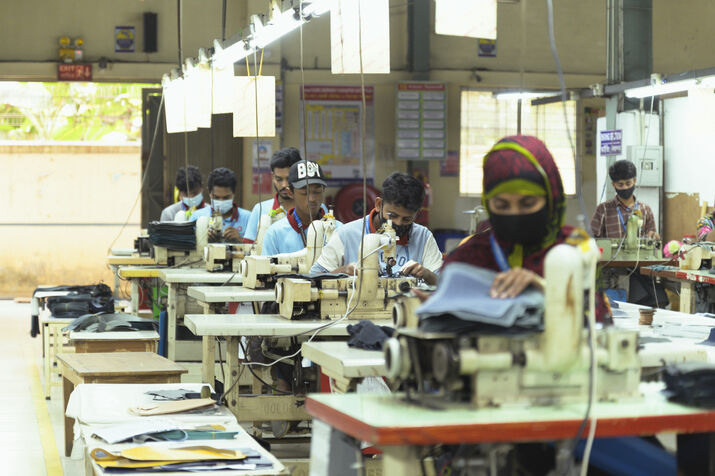
The leather goods industry often faces scrutiny over labor exploitation, especially in developing countries. Fair trade addresses these issues by enforcing transparent labor practices, gender equality, and community investment core values missing in conventional manufacturing models.
1.3 Ethical Sourcing of Leather
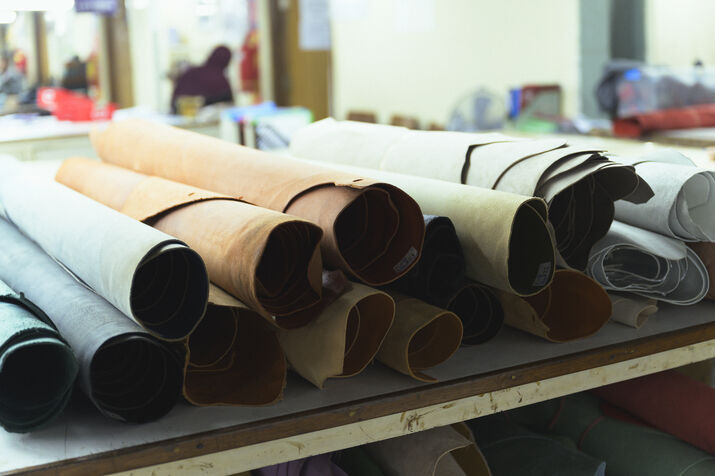
Fair trade encourages partnerships with tanneries that prioritize ethical practices such as traceable hides, vegetable tanning, and chrome-free processes. These reduce environmental damage and promote animal welfare.
1.4 Fair Trade Certification for Leather Factories
Organizations like WFTO (World Fair Trade Organization) and Fair Trade International now offer certification paths for leather goods manufacturers. Certification adds credibility, trust, and marketability in the global marketplace.
>>> For more information on leather goods Click here.
2.1 Growing Demand for Ethical Fashion
Consumers, especially Millennials and Gen Z, actively seek transparency and traceability in their purchases. Leather goods manufactured under fair trade principles meet this demand, boosting brand value and loyalty.
2.2 Competitive Advantage for Manufacturers
Factories practicing fair trade can market themselves as premium, ethical suppliers. This opens doors to high-end buyers in Europe, Japan, and the USA, where socially responsible sourcing is becoming a standard.
2.3 Enhancing Supply Chain Transparency
Fair trade practices integrate accountability from hide procurement to finished product delivery. This transparency not only improves quality control but also reduces reputational risks for brands.
2.4 Higher Profitability Through Value-Based Pricing
Fair trade leather products often fetch higher prices due to their ethical positioning. Consumers are willing to pay more for goods that reflect their values, leading to better margins and long-term profitability.
3.1 Sustainable Leather Alternatives
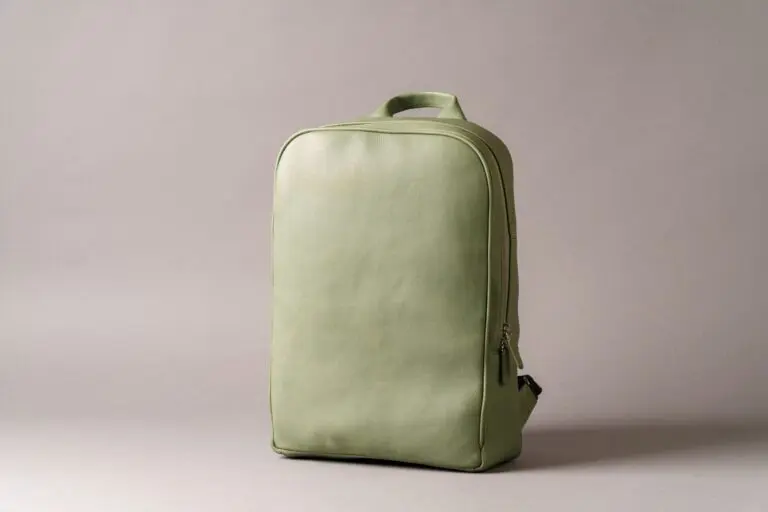
The rise of vegetable-tanned leather, recycled leather, and bio-based alternatives aligns with fair trade’s environmental focus. Manufacturers using these materials are attracting eco-conscious brands and customers.
3.2 Digital Traceability Tools
Blockchain and QR-based traceability systems are helping brands prove their fair trade claims by showing the full product journey from raw material to store shelf.
3.3 Empowering Women and Minority Artisans
Fair trade programs are increasingly focused on inclusivity. Supporting women-led cooperatives and marginalized groups adds social impact while preserving traditional leather goods craft.
3.4 Collaboration with Ethical Fashion Brands
More global fashion houses are partnering with fair trade-certified leather factories to co-create collections that merge style, ethics, and craftsmanship setting a new benchmark in fashion retail.
4.1 Conduct a Supply Chain Audit
Evaluate existing processes raw hide sourcing, labor practices, and environmental compliance to identify gaps and align with fair trade standards.
4.2 Partner with Certified Tanneries
Choose tanneries that comply with LWG (Leather Working Group) or similar fair-trade-compatible standards. This adds value to your production credentials.
4.3 Invest in Worker Well-Being
Offer health services, childcare, education, and skills training for workers. These human-centric practices elevate your factory’s social reputation and output quality.
4.4 Communicate Your Fair Trade Story
Use packaging, websites, and social media to showcase your fair trade journey. Consumers want transparency telling your story can turn customers into brand advocates.
>>> For more information on leather footwear Click here.
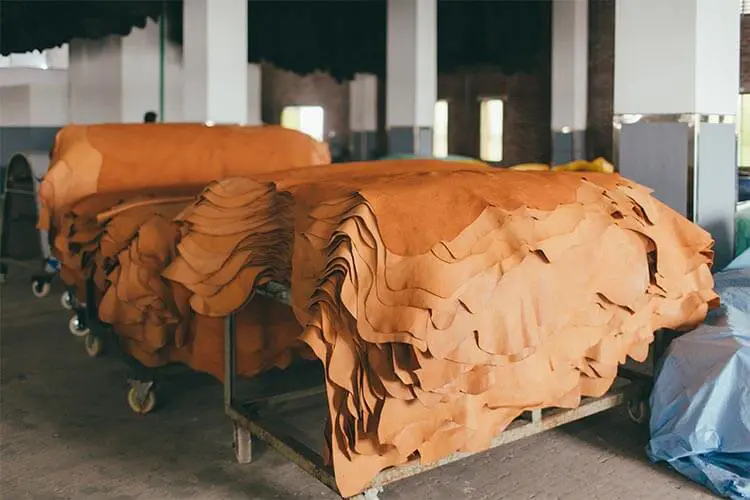
The importance of fair trade in leather goods manufacturing is no longer debatable it’s a necessity. As global expectations shift toward ethics, sustainability, and social responsibility, fair trade offers a framework that benefits all: the artisans who craft the goods, the brands that market them, and the conscious consumers who buy them. By integrating fair trade into operations, manufacturers can future-proof their business, boost global competitiveness, and help redefine leather fashion for the better.
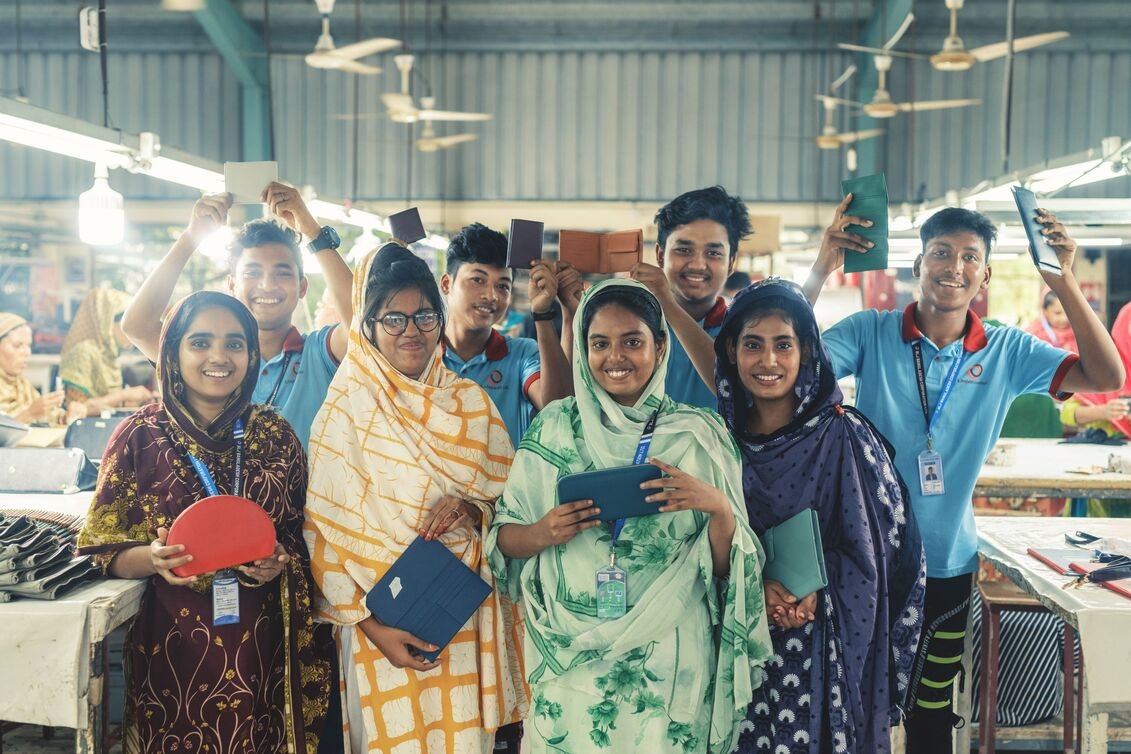
BLJ Bangladesh Leather Goods & Footwear Manufacturer We operate our own factory in Bangladesh, committed to using eco-friendly materials and supporting fair trade practices. As a specialized OEM manufacturer of Leather Bags, Wallets, Leather Shoes, Sneakers & more, we are pleased to offer production services starting from a minimum order of just 50 pcs of SLG’s, 100 pcs & pairs for bag’s & footwear’s. >>> Click leather goods page~
Inclusive Workforce in Leather Factory: Why It Matters
Empowering Women in Leather Goods & Footwear Manufacturing
Healthy, Happy and Heard: How We Care for Our Factory Workforce
Share:


Voices of Experience


Happiness & D Co., Ltd. President and CEO Atsushi Ta
As a result of our collaboration with BLJ Bangladesh, we feel we have been able to create products that bring smiles to many customers. Their high quality, responsiveness that makes time differences negligible, and proposal capabilities rooted in an understanding of the Japanese market make them a reliable partner we can confidently work with to create products. Moving forward, we aim to continue working together with BLJ Bangladesh
Customer Reviews
Cecile Blancarte Corporation CEO Cecile Blancarte
I feel privileged to have chosen BLJ Bangladesh Ltd. as the trusted manufacturer for Blancarte’s luxury fashion accessories. Their commitment to delivering the finest quality leather, coupled with practical and sincere guidance on leather design, has been invaluable to our brand. Their meticulous craftsmanship and relentless pursuit of perfection align seamlessly with Blancarte’s dedication to excellence. Our discerning customers, who appreciate the distinction between mediocrity and true quality,
Customer Reviews
Business Leather Factory Co., Ltd. Representative Kazunari Taguchi
My name is Kazunari Taguchi, and I am the representative of Business Leather Factory, a renowned Japanese leather brand. Since 2014, we have been sourcing 100 varieties of business leather products, including business bags and wallets, from BLJ Bangladesh. We are highly satisfied with their exceptional product quality and services. Their advanced production techniques, rigorous inspection systems, and meticulous attention to detail consistently meet our high standards. Furthermore,
Customer Reviews
JOGGO Co., Ltd. President and CEO Masayuki Ohta
Our brand, JOGGO, is founded on the philosophy of “connecting a better planet to the next generation.” We place great importance on knowing who, how, and with what materials products are made. We have learned that BLJ Bangladesh is actively addressing poverty issues through social business initiatives, such as promoting employment and improving the environment. BLJ uses only leather left over from food production, operates under the guidance
Customer Reviews
You dream it, we craft it. Let’s make something one-of-a-kind.
Contact us